Protecting Your Construction Projects from Costly Physical Damage
Quick Summary / Key Takeaways
- Builders' risk insurance is designed to cover certain physical damage to structures and materials during construction, such as fire, wind, or theft, as specified in the policy terms.
- Owners, contractors, and other stakeholders may be named insureds, depending on contractual requirements and project structure.
- Coverage is typically structured to apply during the construction period and may end upon completion, occupancy, or as defined in the policy.
- Standard builders' risk policies may exclude perils such as flood, earthquake, or faulty workmanship unless specifically endorsed.
- Maintaining appropriate builders' risk insurance can support project continuity by addressing covered losses that could impact timelines or costs.
Introduction
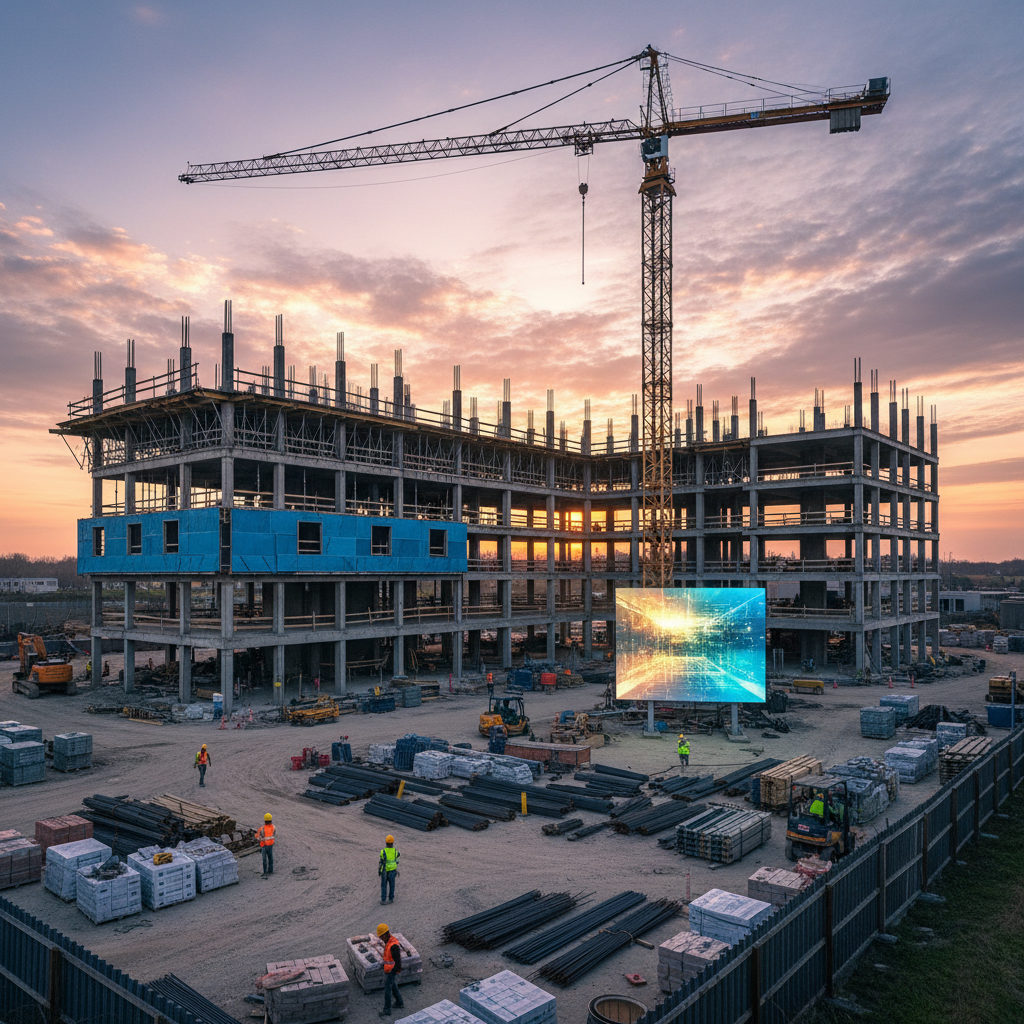
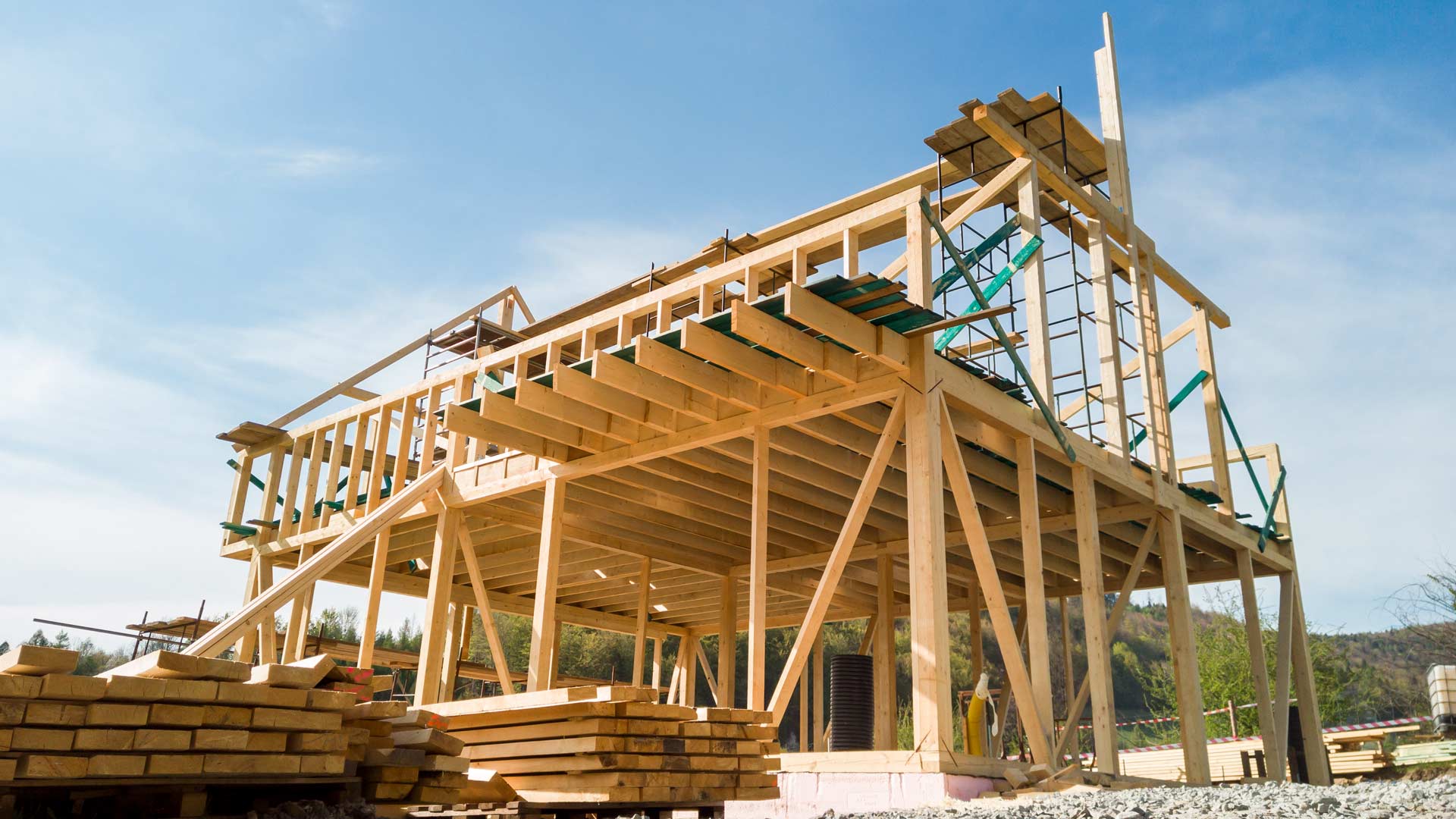
Builders' risk insurance is commonly used to address property exposures during construction, when a structure is incomplete, and materials are on-site or in transit. It generally applies to certain physical damage to the structure and covered materials, subject to policy terms and conditions. Without appropriate coverage, events such as fire, wind, or theft may result in project delays and additional costs. Understanding builders' risk insurance coverage helps businesses assess how to effectively manage construction-related risks.
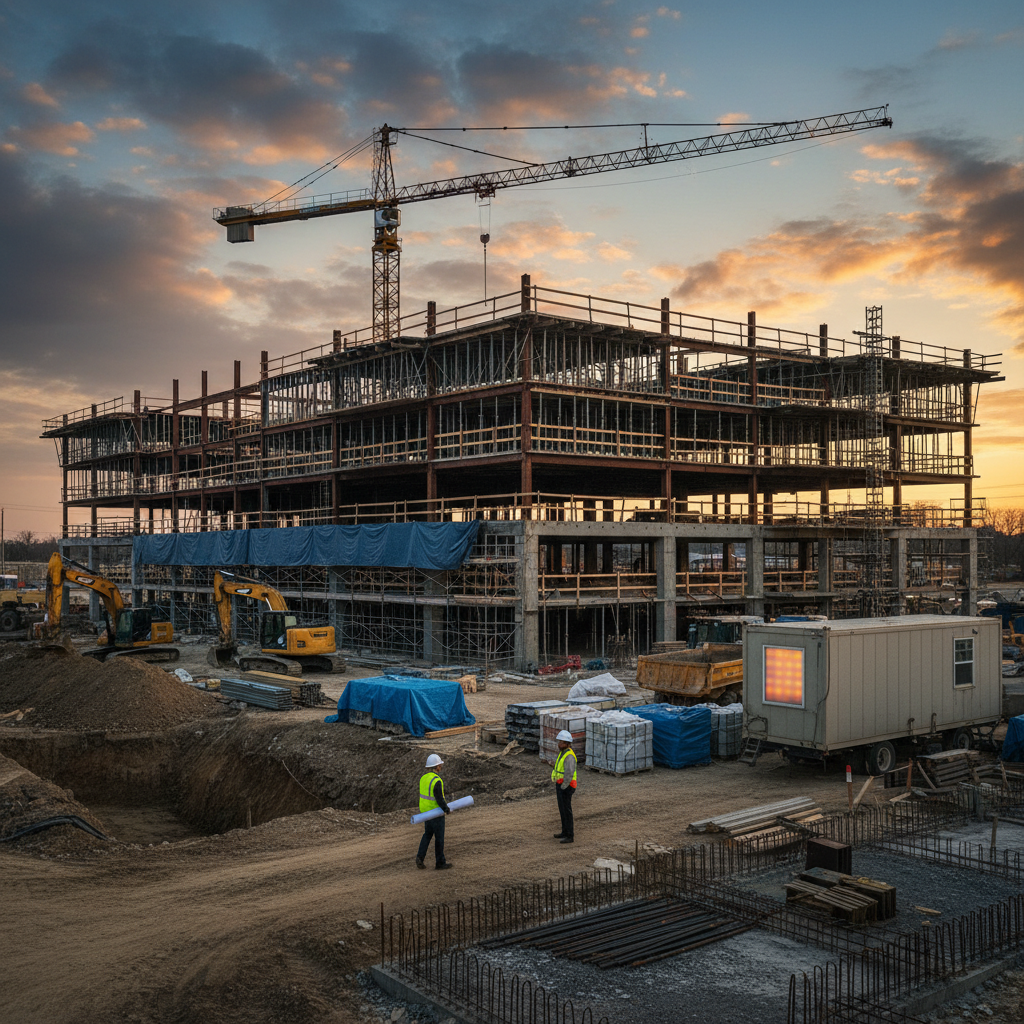
Construction sites may present increased exposure to theft, weather-related damage, and other property risks due to their unfinished condition. Builders' risk insurance is designed to respond to covered property losses during the course of construction, within the scope of the policy. Coverage structure and duration vary based on project terms, contractual requirements, and carrier guidelines.
Construction projects often involve multiple stakeholders, including owners, lenders, and contractors. Builders' risk insurance coverage may be structured to include these parties as named or additional insureds, depending on the policy and contract requirements. It is commonly evaluated as part of a broader commercial insurance program for construction projects, based on project scope and risk profile.
Coverage Comparison by Asset Type
| Asset Type | Status | Common Peril | Detail |
|---|---|---|---|
| Main Structure | Covered | Fire or Wind | Typically included under builders’ risk insurance for the structure under construction, subject to policy terms. |
| On-Site Materials | Covered | Theft | Materials stored on-site for installation may be covered, depending on policy provisions. |
| Contractor Tools | Excluded | Damage | Often excluded and may require separate inland marine or equipment coverage. |
| Land Value | Excluded | Natural Loss | Land is not considered insurable property under builders risk insurance; coverage generally applies to structures and certain materials only |
Builders’ Risk Insurance Policy Lifecycle and Responsibility Overview
| Project Event | Party | Action | Result |
|---|---|---|---|
| Policy Inception | Owner or Builder | Pay premium | Coverage is initiated for the construction project, subject to policy terms and conditions. |
| Project Delay | Policyholder | Notify carrier | Carrier may evaluate a request for policy extension based on project status and underwriting considerations. |
| Material Arrival | Site Manager | Secure storage | Proper storage practices may help reduce exposure to theft or damage during construction. |
| Project Finish | Named Insured | Cancel policy | Builders’ risk coverage typically ends, and transition to permanent property insurance may be considered based on project completion. |
Builders’ Risk Insurance Application Preparation Checklist
- Estimate the total completed value of the construction project for underwriting purposes.
- Identify all parties that may require named insured or additional insured status based on contractual agreements.
- Review location-specific risk factors, such as weather exposure, to determine whether endorsements may be appropriate.
- Confirm the policy effective date aligns with the planned start of construction activities.
Builders’ Risk Insurance Ongoing Project Management Checklist
- Notify the carrier if the project timeline changes or extends beyond the original policy period.
- Maintain records of materials stored on-site and off-site, as coverage may vary by location.
- Inform the carrier when the building reaches occupancy or completion, based on policy terms.
- Document site security measures, as these may be considered in risk evaluation and claims review.
Table of Contents
Section 1: FUNDAMENTALS OF BUILDERS RISK
Section 2: SCOPE OF COVERAGE
Section 3: POLICY MANAGEMENT
Frequently Asked Questions
Section 1: FUNDAMENTALS OF BUILDERS RISK
FAQ 1: What exactly does builders risk insurance cover?
Builders’ risk insurance is designed to cover certain physical damage to the structure under construction and related materials, subject to policy terms and conditions. Covered causes of loss may include fire, wind, theft, or vandalism, depending on the policy form. It may also extend to temporary structures such as scaffolding or fencing, based on coverage provisions. Many builders’ risk insurance policies offer optional extensions for materials in transit or stored off-site, depending on endorsements.

FAQ 2: Who is responsible for buying the policy?
Responsibility for purchasing builders’ risk insurance is typically determined by contract terms between the project owner, general contractor, or other stakeholders. Either party may procure the policy depending on how risk allocation is structured within the agreement. Both parties may request to be included as named or additional insureds to reflect their respective financial interests in the project. This structure helps align coverage with ownership of materials, labor, and project value, subject to policy terms. Clear coordination between project stakeholders can help reduce overlapping coverage or gaps in the insurance program.
FAQ 3: When should a builders risk policy begin?
Builders’ risk insurance is typically structured to begin prior to the start of construction activities or delivery of materials to the site, based on policy terms and carrier requirements. Coverage effective dates are generally aligned with ground-breaking or earlier stages of the project, depending on underwriting guidelines. Placing coverage after construction has progressed may limit available options or require additional underwriting review. Establishing the policy early can help address exposures related to site preparation and initial material delivery, subject to policy provisions.
Section 2: SCOPE OF COVERAGE
FAQ 4: Does it cover materials not yet at the site?
Builders’ risk insurance policies may extend coverage to materials in transit or stored at temporary off-site locations, depending on policy terms and endorsements. This exposure is relevant for projects where materials are purchased in advance and stored prior to installation. Coverage limits, sublimits, and conditions for off-site or in-transit property vary by policy and should be reviewed in relation to the total value of stored materials. Maintaining accurate records of material location and value can support documentation in the event of a covered loss.
FAQ 5: What are the common exclusions to look for?
Common exclusions in builders’ risk insurance policies may include employee dishonesty, mechanical breakdown, and damage resulting from faulty design, workmanship, or materials, depending on the policy form. Standard policies may also exclude perils such as earthquake or flood unless specifically endorsed. Conditions such as wear and tear, corrosion, or deterioration are generally not covered, as they are typically considered maintenance-related issues. Reviewing the policy’s exclusions and limitations can help identify where additional endorsements or separate coverages may be appropriate.
FAQ 6: How is the premium for this insurance calculated?
Builders’ risk insurance premiums are typically based on the estimated completed value of the project, along with underwriting factors specific to the construction exposure. Carriers may evaluate elements such as construction type, project duration, location-specific risks, and loss history when determining pricing. For example, certain construction methods or geographic exposures may result in different premium levels depending on risk characteristics. Providing an accurate project budget and timeline can support a more accurate underwriting assessment and pricing structure.
Section 3: POLICY MANAGEMENT
FAQ 7: What happens if the project is delayed?
If a construction project is delayed, the policyholder should notify the carrier to review whether a builders’ risk policy extension is available. Builders’ risk policies are typically written for a defined project period, such as a specified number of months, based on underwriting assumptions. If the policy term ends before project completion, coverage may no longer apply unless an extension or renewal is arranged. Any extension request is subject to carrier approval and may involve additional premium or underwriting review.
FAQ 8: When does the coverage officially terminate?
Builders’ risk insurance coverage typically ends based on policy-defined triggers, such as project completion, occupancy, acceptance by the owner, or the stated expiration date. Once the building is occupied or put to its intended use, the risk profile may change, and builders’ risk coverage generally no longer applies. At this stage, transitioning to a permanent commercial property insurance policy is commonly considered based on project status and operational use. Gaps between policies may create periods where certain property exposures are not insured.
Article Summary
Learn what is builders risk insurance and how it protects your construction project. Get details on builders risk insurance coverage for theft and fire.