
Quick Summary / Key Takeaways
- General Liability Insurance helps businesses manage common third-party risks, including bodily injury, property damage, and advertising injury claims that can arise from day-to-day operations
- Workers’ Compensation coverage is generally required for businesses with employees, depending on state regulations, and helps cover medical expenses and lost wages related to work-related injuries.
- Commercial Property Insurance helps protect business assets—such as buildings, equipment, and inventory—against covered losses tied to insured perils.
- Specialized commercial policies, including Cyber Liability and Professional Liability, address industry-specific exposures related to data security, professional services, and operational risk.
- Assessing your risk profile and working with an experienced commercial insurance broker helps businesses identify appropriate coverage options efficiently and responsibly.
Introduction
Operating a business in California involves managing a range of operational, regulatory, and risk considerations. Protecting operations, assets, and employees is a practical part of running a business, and certain types of coverage may be required depending on the business’s structure, activities, and state requirements. Commercial insurance plays a role in managing financial exposure related to accidents, liability claims, property damage, and other covered loss events that can affect day-to-day operations.
Understanding how business insurance functions in California helps business owners and decision-makers assess risk more effectively. This overview outlines common types of commercial coverage and explains how each is structured to address specific business exposures. The goal is to provide clear, practical information that allows businesses to evaluate coverage options efficiently and without unnecessary complexity. Zeyger Insurance works with business owners, contractors, and commercial brokers to help identify commercial insurance options aligned with their operational risks.
Common Business Insurance Types and Their Coverage
| Insurance Type | What It Covers | Key Benefit | Typical Claim Example |
|---|---|---|---|
| General Liability | Third-party bodily injury, property damage | Helps manage liability exposure from third-party claims | Third party alleges injury on business premises |
| Workers' Compensation | Employee medical costs, lost wages | Supports compliance and helps cover work-related injury costs | Employee injured while performing job-related duties |
| Commercial Property | Business buildings, equipment, inventory | Helps protect physical business assets against covered losses | Fire damages a commercial office or facility |
| Professional Liability | Errors, omissions in professional services | Helps address claims alleging professional negligence | Client alleges financial loss tied to professional services |
Factors Influencing Business Insurance Costs in California
| Factor | Impact on Premium | Example Scenario | Mitigation Strategy |
|---|---|---|---|
| Industry Risk | Premiums may be higher for businesses operating in higher-risk sectors due to increased exposure | Construction vs. retail | Implement documented safety procedures and jobsite controls |
| Business Size | Larger operations may be associated with higher premiums based on workforce size, revenue, and operational scope | More employees, higher revenue | Review coverage structure to align limits with actual operational needs |
| Claims History | Prior claims activity may influence future pricing and underwriting decisions | Multiple liability claims | Strengthen risk management practices and employee training programs |
| Location | Premiums may vary based on geographic risk factors | Urban vs. rural, earthquake zones | Implement appropriate property security and loss-prevention measures where feasible |
Commercial Insurance Planning Checklist
- Assess your business’s operational risks and potential liability exposures.
- Identify insurance requirements that may apply based on your industry, operations, and applicable California regulations.
- Request and compare quotes from qualified commercial insurance carriers or wholesale markets.
- Review policy terms to understand coverage limits, conditions, and key exclusions.
Ongoing Coverage Review & Risk Management Checklist
- Periodically review insurance policies as business operations, contracts, or risk profiles change.
- Adjust coverage as needed when acquiring new assets, expanding services, or increasing headcount.
- Maintain organized records of insurance policies, endorsements, claims activity, and renewal dates.
- Schedule periodic coverage reviews with your commercial insurance broker to review alignment with current operations.
Table of Contents
Section 1: Understanding Core Business Insurance
- What does General Liability Insurance cover?
- Is Workers' Compensation mandatory in California?
- What does Commercial Property Insurance protect?
- How does Business Interruption Insurance work?
- What is Commercial Auto Insurance for?
Section 2: Specialized Protections for Modern Businesses
- What is Professional Liability Insurance?
- Why is Cyber Liability Insurance important today?
- What does Builders Risk Insurance cover for contractors?
- When do I need Pollution Liability Insurance?
- What is an Umbrella Policy for businesses?
Section 3: Tailoring Your Coverage and Compliance
- How do I determine the right coverage limits?
- Are there specific insurance requirements for California contractors?
- Can I bundle different types of business insurance?
- What happens if I operate without required insurance?
- How often should I review my business insurance policies?
Frequently Asked Questions
Section 1: Understanding Core Business Insurance
FAQ 1: What does General Liability Insurance cover?
General Liability Insurance helps address third-party claims for bodily injury, property damage, and advertising injury arising from business operations. This coverage may help respond to medical expenses, repair costs, and legal defense costs associated with covered claims, subject to policy terms and limits. It is commonly used as a foundational commercial policy to help manage liability exposure tied to day-to-day business activities. General Liability Insurance generally does not apply to employee injuries or damage to a business’s own property.
FAQ 2: Is Workers' Compensation mandatory in California?
Yes, Workers’ Compensation Insurance is generally required in California for most employers, including businesses with a single employee, subject to state rules and limited exceptions. This coverage helps respond to medical treatment, rehabilitation, and lost wages associated with work-related injuries or illnesses, based on policy terms and applicable regulations. Not maintaining required coverage can create regulatory and financial exposure for a business. Workers’ Compensation Insurance also plays a role in managing costs related to employee injuries and workplace incidents.
FAQ 3: What does Commercial Property Insurance protect?
Commercial Property Insurance is designed to help protect a business’s physical assets, including buildings, equipment, inventory, and furniture, against covered causes of loss, subject to policy terms and limits. This may include damage related to events such as fire, theft, vandalism, and certain weather-related incidents, depending on the policy. The coverage helps manage the financial impact associated with repairing or replacing damaged property following a covered loss. This policy is commonly used as part of a broader approach to managing business continuity when physical assets are affected by unexpected events.
FAQ 4: How does Business Interruption Insurance work?
Business Interruption Insurance, also known as Business Income Insurance, is designed to help address lost income and certain operating expenses if a business must temporarily close due to a covered property loss, subject to policy terms and limits. For example, if a fire forces operations to shut down for repairs, this policy may help replace income that would have been earned during the covered interruption period. It also may help respond to ongoing expenses such as rent and payroll while operations are suspended. This coverage is often included as part of a Commercial Property policy or structured through a Business Owner’s Policy, depending on the coverage arrangement.
FAQ 5: What is Commercial Auto Insurance for?
Commercial Auto Insurance is designed to help address vehicles used for business purposes, including liability exposures, physical damage, and certain medical-related costs arising from covered auto incidents. This may apply whether a business operates a single commercial vehicle or a fleet of service trucks. Personal auto policies often exclude business use, which is why a dedicated commercial auto policy is commonly used to address business-related vehicle exposures. This coverage may help respond when an employee is involved in a covered accident while performing job-related duties.
Section 2: Specialized Protections for Modern Businesses
FAQ 6: What is Professional Liability Insurance?
Professional Liability Insurance, also known as Errors & Omissions (E&O) insurance, is designed to help address liability exposures for businesses that provide professional services or advice. It may help respond to claims alleging negligence, errors, or omissions in the delivery of professional services that result in a client’s financial loss. This coverage is commonly used by consultants, accountants, real estate professionals, and other service-based businesses. It may help respond to legal defense costs and certain settlement amounts associated with covered claims, subject to policy terms and conditions.
FAQ 7: Why is Cyber Liability Insurance important today?
Cyber Liability Insurance is designed to help address the financial impact associated with data breaches and other cyber incidents that affect business systems or data. It may help respond to costs such as data recovery, customer notification expenses, legal defense costs, and certain regulatory-related expenses, subject to policy terms and limits. As businesses increasingly rely on digital systems, exposure to cyber-related incidents has become a common operational risk. This coverage is commonly used by businesses that store sensitive data or rely on online systems to support operations. It plays a role in managing the financial and operational disruption that can follow a cyber event.
FAQ 8: What does Builders Risk Insurance cover for contractors?
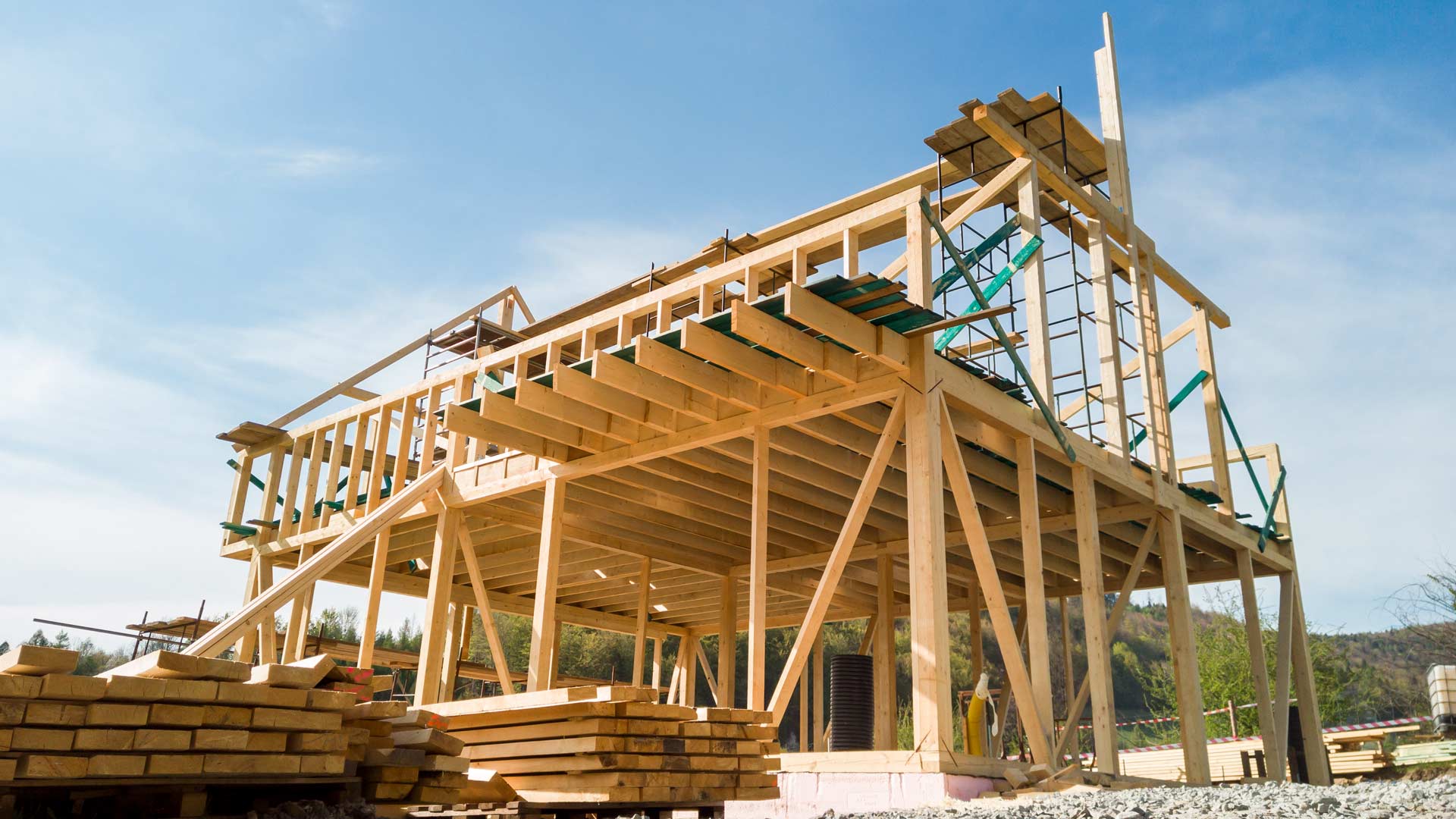
Builders Risk Insurance, also known as Course of Construction insurance, is designed to help protect a building or structure and certain materials during the construction or renovation process, subject to policy terms and limits. It may help respond to damage resulting from events such as fire, theft, vandalism, and specified weather-related incidents, depending on the policy. This coverage is commonly used by contractors, developers, and property owners involved in construction projects. It plays a role in managing financial exposure when covered losses occur before a project is completed. This coverage typically concludes once construction is complete or the project is occupied, as defined by the policy.
FAQ 9: When do I need Pollution Liability Insurance?
Pollution Liability Insurance is commonly considered by businesses that work with pollutants, including hazardous materials, waste handling, and environmental cleanup activities. This coverage is designed to help address certain costs associated with pollution incidents, which may include cleanup expenses, bodily injury, property damage, and legal defense costs, depending on the policy. Industries such as manufacturing, construction, and waste management often face environmental exposures that may warrant this type of coverage. Pollution Liability Insurance plays an important role in managing financial and legal exposure related to environmental issues.
FAQ 10: What is an Umbrella Policy for businesses?
A Commercial Umbrella Policy is designed to provide additional liability limits above certain underlying business insurance policies, such as General Liability or Commercial Auto, subject to policy structure and terms. If a covered claim exceeds the limits of the underlying policies, the Umbrella policy may help respond by extending available liability limits. It serves as an additional layer of liability coverage for higher-severity claims that exceed primary policy limits. This policy is commonly used to increase overall liability capacity without adjusting the limits on each individual underlying policy.
Section 3: Tailoring Your Coverage and Compliance
FAQ 11: How do I determine the right coverage limits?
Determining appropriate coverage limits involves evaluating your business’s specific risk profile, asset values, and potential liability exposures. This typically includes reviewing factors such as industry risk, operational scale, property values, contractual requirements, and the nature of potential claims. Working with an experienced commercial insurance broker helps analyze these variables and identify coverage limits aligned with your operations and risk tolerance. The goal is to align coverage limits with real-world exposures while managing premium considerations responsibly. Insufficient limits can increase financial exposure, while excessive limits may result in unnecessary insurance spend.
FAQ 12: Are there specific insurance requirements for California contractors?
Yes, California contractors are subject to specific insurance requirements that may apply based on their operations, most notably Workers’ Compensation coverage for businesses with employees, subject to state rules and limited exceptions. Many contracts may require General Liability Insurance, often with specified coverage limits, and in some cases Commercial Auto or Builders Risk coverage. The California Contractors State License Board (CSLB) also maintains bonding requirements tied to certain license classifications. Contractors should review their specific license type and project contracts to understand applicable insurance and bonding obligations. For contractors seeking coverage placement or quote support, Zeyger Insurance provides contractor-focused commercial insurance options.
FAQ 13: Can I bundle different types of business insurance?
In many cases, businesses may be able to combine certain types of commercial insurance into a Business Owner’s Policy (BOP) or a commercial package policy. A BOP commonly includes General Liability, Commercial Property, and Business Interruption coverage within a single policy structure. Bundling coverage can simplify policy administration and may offer pricing efficiencies, depending on the business and carrier. This approach is often used to establish a baseline of coverage for small to mid-sized businesses with straightforward risk profiles. Availability and suitability depend on the business’s operations and underwriting criteria.
FAQ 14: What happens if I operate without required insurance?
Operating without required business insurance in California can create regulatory, financial, and legal exposure for a business, including potential fines, penalties, and liability obligations. For example, operating without required Workers’ Compensation coverage may result in state-imposed penalties and responsibility for certain employee injury-related costs. If a lawsuit arises and liability coverage is not in place, business assets—and in some cases personal assets, depending on business structure—may be exposed. Operating without required coverage increases financial and legal risk and can complicate claims, contracts, and regulatory compliance. Maintaining required insurance helps businesses manage these risks and meet applicable obligations.
FAQ 15: How often should I review my business insurance policies?
Business insurance policies are typically reviewed on a periodic basis, often annually or when material changes occur within the business. Common triggers for a review include changes such as hiring additional employees, acquiring new equipment, expanding operations, relocating facilities, or introducing new products or services. Conducting a periodic coverage review with a commercial insurance broker helps evaluate whether existing policies continue to align with current operations and risk exposures. This approach supports proactive risk management and helps identify potential coverage gaps as the business evolves.
Zeyger Insurance Team
The Zeyger Insurance Team consists of experienced commercial insurance brokers dedicated to helping small to medium-sized businesses secure reliable protection. We provide clear, straightforward guidance on complex insurance needs, ensuring our clients have the right coverage to protect their assets and operations efficiently.
Article Summary
Understand essential business insurance coverage in California. Protect your assets, employees, and operations from common risks and legal requirements.